
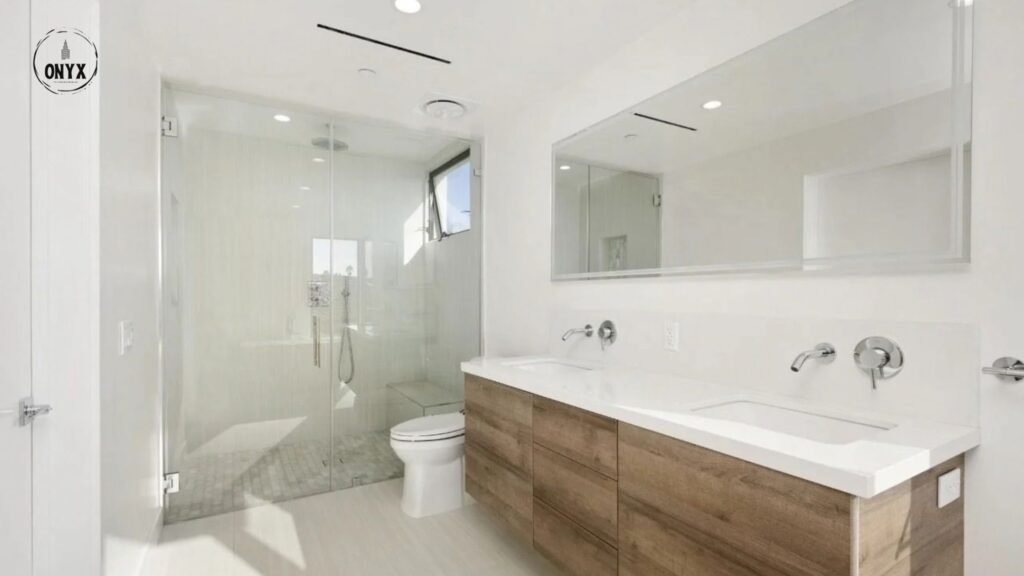
If you are researching the Toronto bathroom renovation cost, you have probably seen prices that don’t match each other. One website can say $13,000. A contractor can quote $28,000. A third source can say $50,000 or more. All of them can be right, because they are describing different projects.
This guide explains what drives the numbers, what each type of project typically costs, and where your money goes. It includes a worked budget and the mistakes that most often inflate a final bill. All figures are 2026 estimates in Canadian dollars, so use them for planning, not as a fixed quote.
Why Do Toronto Cost Estimates Vary So Much?
Most of the gap comes from three things: scope, finish level, and who is reporting the price.
Scope. Homeowner-reported averages, such as those collected from reviews on price-comparison sites, can land around $13,000. That kind of figure blends in small jobs: a replaced vanity, a new toilet, a re-caulked tub. Contractor quotes of $25,000 or more can describe a full bathroom renovation, where everything is stripped to the studs and rebuilt.
Finish level. Two identical bathrooms can differ by $15,000 or more based on tile, fixtures, glass, and cabinetry. A stock vanity and standard porcelain tile cost far less than a custom vanity and large-format stone.
Homeowner-reported vs. design-build pricing. A reported price can cover one trade or a few items. A design-build or full-service quote usually includes demolition, waterproofing, all trades, permits, project management, and warranty in one number. When you compare, make sure both numbers cover the same work.
What Will You Pay? Costs by Renovation Level
Use this table as a starting point. Prices are before HST and assume mid-range materials unless noted.
| Project level | Typical range (before HST) | What’s usually included |
|---|---|---|
| Powder room refresh | $6,000 – $12,000 | New toilet, vanity, faucet, flooring, paint, lighting; layout unchanged |
| Standard 3-piece bathroom | $18,000 – $28,000 | Full gut, waterproofing, tile, vanity with top, tub or shower, toilet, fan, lighting |
| Family 4-piece bathroom | $25,000 – $35,000 | Separate tub and shower, glass enclosure, more tile, storage, upgraded lighting |
| Ensuite upgrade (about 100 sq. ft.) | $35,000 – $46,000+ | Larger footprint, double vanity, glass shower, optional soaker tub, premium finishes |
| Luxury spa bathroom | $46,000 – $90,000+ | Layout changes, heated floors, steam or curbless shower, natural stone, smart features |
Powder room refresh
With no shower or tub, there is no waterproofing, which keeps costs down. The main variables are the vanity, flooring, and whether the toilet or sink needs to move. Even a small room still needs a plumber and electrician, so it rarely costs as little as people expect.
Standard 3-piece bathroom
This is the most common project: toilet, vanity, and a tub or shower. Cost depends heavily on the shower, since a prefabricated tub surround costs much less than a custom tiled shower with a glass door.
Family 4-piece bathroom
Adding both a tub and a separate shower increases tile area, plumbing complexity, and glass costs. These rooms are also larger, so material quantities rise.
Ensuite upgrade
Ensuites usually come with higher expectations: double sinks, a larger shower, better storage, and nicer lighting. More square footage and more specialty items push the price up.
Luxury spa bathroom
At this level, the cost comes from custom design work, moved plumbing, heated floors, natural stone, and detailed finishing. These projects also need more planning and project management time.
Where Does the Money Go? A Budget Split
Understanding the split helps you see where you can adjust and where you shouldn’t.
Labour and trades
Labour typically makes up about 40% to 60% of the budget. A bathroom involves many trades in a small space: demolition, plumbing, electrical, carpentry, drywall, waterproofing, tile, glass, and painting. Licensed plumbers and electricians in the GTA commonly charge roughly $100 to $185 per hour, and rates vary by company and job.
Materials and fixtures
Materials usually account for about 30% to 45%. Tile, the vanity, the toilet, the shower system, faucets, glass, lighting, and mirrors are the main items. This is the area where you have the most direct control.
Demolition, waste removal, and waterproofing
Demolition and disposal commonly run from about $800 to $1,800. Waterproofing is not glamorous, but it protects the home. A failed shower membrane can mean tearing out tile and framing, so this is a poor place to economize.
Permits, design, and project management
Permits, drawings, design time, and daily coordination add to the total. A good project manager keeps trades in sequence, so tile doesn’t wait on plumbing and glass isn’t ordered before measurements are final. Ask whether these costs are included or listed separately.
Don’t forget HST
Ontario’s 13% HST applies to most renovation labour and materials. On a $25,000 project, that is $3,250. Always ask whether a quote includes HST, since it is a common reason two prices don’t compare.
Sample Budget: A 3-Piece Toronto Bathroom, Line by Line
To make the Toronto bathroom renovation cost more concrete, here is an illustrative budget for a standard 3-piece bathroom of about 40–50 square feet, with the layout unchanged, mid-range finishes, and a tiled shower with a glass door.
| Item | Estimated cost |
|---|---|
| Demolition and disposal | $1,200 |
| Plumbing (reconnection, new valve and drain work) | $3,200 |
| Electrical, lighting, and exhaust fan | $2,200 |
| Waterproofing and surface preparation | $1,600 |
| Tile supply and installation (floor and shower) | $5,500 |
| Shower base, glass door, and trim | $2,800 |
| Vanity, countertop, and sink | $2,200 |
| Toilet | $700 |
| Faucets, shower trim, and accessories | $1,500 |
| Drywall, paint, and trim | $1,800 |
| Project management, permits, and miscellaneous | $2,300 |
| Subtotal | $25,000 |
| HST (13%) | $3,250 |
| Total with HST | $28,250 |
| Contingency (15%, held separately) | $3,750 |
| Total budget to plan for | $32,000 |
Your numbers will differ with the tile you choose, the vanity size, and the condition of the walls and floor, but the structure of the budget is a useful template.
8 Things That Push Your Toronto Bathroom Price Up
- Moving plumbing. Relocating a toilet, shower, or sink means new drain and supply lines, often adding thousands per fixture.
- Tub-to-shower conversion. It usually requires a new drain location, a waterproofed pan, and more tile.
- Tile type and pattern. Large-format tile, natural stone, and herringbone or diagonal layouts all add labour.
- Custom glass. Frameless enclosures cost noticeably more than standard framed or semi-frameless doors.
- Heated floors. The mats and thermostat are affordable, but added electrical work and floor prep raise the total.
- Bathroom size. More square footage means more tile, more waterproofing, and more labour hours.
- Electrical and ventilation upgrades. Older homes often need new circuits, better lighting, and a properly vented fan.
- Last-minute changes. Switching tile or fixtures after work begins can mean re-ordering, delays, and change-order fees.
House, Older Home, or Condo? How Your Property Changes the Bill
Detached/semi-detached homes
These offer the easiest access for trades, materials, and waste removal. Costs usually track the project scope closely, with fewer logistical add-ons.
Pre-1980 homes and what’s behind the walls
Older Toronto homes can hide outdated plumbing, old wiring, uneven floors, water damage, or past DIY work. You often can’t know until the walls are open. That is why older homes call for a larger contingency, and why a pre-quote site inspection is valuable.
Condos: elevator booking, work hours, board approval
Condo projects often cost 10% to 20% more because of logistics. Expect board approval before work starts, limited work hours, elevator bookings, protective floor coverings, strict waste rules, and coordinated water shut-offs. Ask your building management for its renovation rules before you ask for quotes.
Do You Need a Permit in Toronto?
It depends on what you change. According to the City of Toronto, repairing or replacing plumbing fixtures does not require a building permit, but new or altered plumbing generally does, as do structural or material alterations. In practice, moving a toilet, shower, or drain, or removing or adding walls, is likely to trigger a permit. Electrical work is also regulated in Ontario, and a licensed electrician will handle the required notification or permit.
Fees for small interior projects are typically a few hundred dollars, but they vary with the project, so check the City’s current fee schedule. Skipping a permit can cause problems with inspections, insurance, and resale. When in doubt, contact Toronto Building directly.
How to Read and Compare Contractor Quotes
What a good quote includes
- A clear scope of work describing what will be built
- Itemized or well-defined inclusions and exclusions
- Material allowances (tile, vanity, fixtures) with specific amounts
- Waterproofing method
- Permit responsibility
- Payment schedule and timeline
- Warranty details
- A change-order process
Red flags (very low totals, no scope, no waterproofing details)
A total far below the others usually means something is missing, such as permits, finishing materials, or proper waterproofing. A single-line price with no scope makes comparison impossible. Vague wording like “supply and install tile” without an allowance leaves room for surprise charges later.
Questions to ask before you sign
- What exactly is excluded?
- Who manages the job day to day?
- Are permits and inspections included?
- How are hidden problems and change orders handled?
- What does the warranty cover and for how long?
At ONYX Construction, we encourage homeowners to compare at least three written quotes against the same scope sheet, so differences in price are easy to explain.
How Long Will It Take, and When Do You Pay?
Typical timelines, from the first day of demolition to final cleanup, are:
- Powder room refresh: 1–2 weeks
- Standard 3-piece bathroom: 3–5 weeks
- Family 4-piece bathroom: 4–6 weeks
- Ensuite upgrade: 5–8 weeks
- Luxury spa bathroom: 8–12+ weeks
Allow extra time for custom glass, special-order tile, and permit approval, which can all start before the work does.
A sample payment schedule might look like this:
- Deposit at signing: 10% of the contract
- Demolition and rough-in complete: 30%
- Waterproofing and tile complete: 30%
- Fixtures and finishing complete: 25%
- Final walkthrough and deficiency list: 5%
Avoid contracts that ask for large payments before work begins.
Where to Save and Where Not To
Smart savings (keep the layout, mid-range fixtures, finalize choices early)
Keeping plumbing where it is remains the biggest money saver. Mid-range fixtures and standard-size vanities deliver good value, and choosing every finish before demolition avoids rush charges and change orders.
Never cut corners on waterproofing, plumbing quality, and ventilation
These are the parts you can’t see. A strong waterproofing system, quality supply lines, and a fan sized for the room protect against mold and leaks. Many bathroom renovation mistakes start with saving a few hundred dollars here and paying thousands later.
How Much Contingency Should You Hold Back?
Plan for 10% to 20% on top of the contract price. A newer home with straightforward access can sit near 10%. A home built before 1980 deserves 15% to 20%.
The most common surprises are:
- Mould or water damage behind walls
- Outdated or unsafe wiring
- Rotted subfloor or framing
- Old plumbing that can’t be reused
- Hazardous materials in older finishes
Keep the contingency separate from your main budget. If you don’t use it, it’s yours.
Is a Bathroom Renovation Worth It in Toronto?
For most homeowners, yes, as long as the project matches the home. You use the room every day, so comfort, safety, and storage improvements pay off immediately. A well-done bathroom also helps resale appeal, though you usually won’t recover every dollar spent.
The risk is over-renovating. A very high-end bathroom in a neighbourhood where buyers expect mid-range finishes may not return its cost. Aim to bring the room up to the standard of comparable homes nearby, then invest extra in durability and daily-use features.
Build Your Own Estimate in 5 Steps
- Pick your tier. Decide whether you need a refresh, a full gut, or a premium build.
- Decide on layout changes. Keeping fixtures in place saves money; moving them adds plumbing work.
- Choose finishes. Select tile, vanity, glass, and fixtures, or set realistic allowances.
- Add HST. Multiply the subtotal by 1.13.
- Add contingency. Set aside 10% to 20% depending on the age of your home.
Final Thoughts
A realistic Toronto bathroom renovation cost depends on scope, finishes, your home’s age, and how clearly the quote is written. Decide what you want, keep the layout if you can, protect the hidden work, and set aside a contingency. With those pieces in place, the final number stops being a surprise.
If you’d like a clear estimate for your own bathroom, ONYX Construction can walk through your goals, scope, and budget with you. Contact us to book a consultation and get a detailed, written quote.
Frequently Asked Questions
1. What is the average cost of a bathroom renovation in Toronto?
Reported averages can be lower than contractor quotes because they include small jobs. For a full renovation, most Toronto homeowners should plan on roughly $25,000 to $46,000+ before HST, depending on size and finishes. An ensuite of about 100 sq. ft. typically runs $35,000 to $46,000+, and luxury projects cost much more.
2. How much does a small bathroom cost to renovate in Toronto?
A small powder room often runs $6,000 to $12,000. A small 3-piece bathroom with a shower typically starts closer to $18,000, because it still needs waterproofing and the same trades as a larger room.
3. Is a condo bathroom renovation more expensive?
Often, yes, by about 10% to 20%. Elevator bookings, limited work hours, approvals, and material delivery restrictions all add time and cost.
4. Can I renovate a bathroom for under $10,000?
You can refresh a powder room or update a bathroom’s fixtures and finishes for that amount. A full bathroom renovation with new tile, waterproofing, and trade work is rarely achievable under $10,000 in Toronto.
5. Does HST apply to renovation work?
Yes. Ontario’s 13% HST generally applies to renovation labour and materials. Confirm whether your quote includes it.
6. How much extra should I budget for surprises?
Hold back 10% to 20%, with the higher end for homes built before 1980.
7. Is it cheaper to hire trades directly or use a general contractor?
Hiring trades yourself can avoid a management fee, but you become responsible for scheduling, permits, sequencing, and fixing gaps between trades. For a full bathroom renovation, a single accountable contractor usually reduces risk and delays.