

PRICING
Toronto Renovation Pricing Guide
Home renovation Cost guide Toronto GTA 2026
Most Toronto renovation projects fall between $120 and $400 per square foot. The final cost depends on project size, structure, finishes, permits, labour, and the complexity of working within the property. Whether you’re planning a kitchen refresh, a full home renovation, or a new addition, the ranges below give GTA homeowners a realistic starting point for early budgeting before a site visit narrows things down to a firm, itemized quote.
$120-$400
Per sq. ft. guide
40%-50%
Labour share
2026
Toronto ranges
Average Home Renovation Price
Average Home Renovation Price in Toronto
The following figures provide a starting point for some of the most common renovation scopes in Toronto.
Renovation Type
Size Estimate
Average Cost Range
Full home renovation
2,000 sq. ft.
$70,000 to $550,000
Main floor renovation
850 sq. ft.
$80,000 to $240,000
Kitchen renovation
200 sq. ft.
$30,000 - $150,000+
Bathroom renovation (ensuite)
100 sq. ft.
$35,000 - $46,000+
Basement renovation
800 sq. ft.
$20,000 - $70,000+
Home addition, one storey
Approx. 500 sq. ft.
$350,000 - $420,000+
Condo renovation
1,000 sq. ft.
$165,000 - $240,000+
What Determines the Cost of a Toronto Home Renovation?
Two homes of the same size can have very different renovation budgets. The biggest cost drivers are:
Scope of Work
A renovation involving paint and flooring is considerably different from one involving demolition, new plumbing, electrical upgrades and structural changes.
Existing Condition
Older properties may require additional work after demolition reveals outdated wiring, plumbing problems, moisture, structural issues or inadequate insulation.
Layout Changes
Changing the location of kitchens, bathrooms, walls or rooms can increase construction costs because several systems may need to be relocated.
Materials and Finishes
Cabinetry, countertops, flooring, fixtures, appliances and other finishes are available at very different price points.
Labour
Projects involving multiple specialized trades require more labour and coordination.
Permits and Professional Services
Depending on the project, you may need permits, architectural drawings, engineering or other professional services.
Site Access
Limited parking, stairs, narrow entrances and difficult material delivery can affect labour and logistics, particularly in some Toronto properties and condos.
Toronto Renovation Costs by Project Per Square Ft
Renovation level
Typical cost per sq. ft.
What it generally means
Cosmetic renovation
$60–$150
Surface-level updates with little or no layout change
Partial renovation
$100–$200
Renovating selected rooms or areas of the home
Mid-range renovation
$150–$275
Multiple rooms, better finishes and some system/layout changes
High-end renovation
$275–$400+
Premium finishes, custom work and more extensive changes
Full-house renovation
$175–$350+
Major renovation across most or all areas of the home
Gut renovation
$300–$500+
Home taken back to the structure/interior shell and rebuilt
1. Cosmetic Renovation
A cosmetic renovation is mainly about making the home look and feel better without changing how it is built.
You might repaint the walls, replace flooring, update light fixtures, change interior doors and hardware, or refresh existing cabinets and finishes. Plumbing and electrical locations generally stay where they are, and major walls are not removed.
This is usually the most affordable level of renovation because you’re working with what already exists rather than rebuilding the home.
For example, a homeowner refreshing a 1,500 sq. ft. house may spend roughly $90,000–$225,000, depending on how much of the home is actually being updated and the quality of the materials selected.
2. Partial Renovation
A partial renovation means you’re renovating specific parts of the house rather than the entire property.
For example, you may renovate the kitchen and two bathrooms while leaving the bedrooms and living areas largely unchanged. You could also renovate the main floor, finish a basement, or update several connected spaces.
Because the scope is larger than a cosmetic refresh, you may also need new plumbing, electrical work, cabinetry, tile, lighting or other trade work.
Keep in mind that the per-square-foot figure is most useful when you’re renovating a reasonably large area. A small bathroom, for example, can have a much higher cost per square foot because expensive plumbing, waterproofing, fixtures and skilled labour are concentrated into a small space.
3. Mid-Range Renovation
A mid-range renovation is where the project starts becoming a substantial transformation rather than a simple update.
This could include a new kitchen, renovated bathrooms, flooring throughout several areas, new lighting, improved finishes and some changes to the layout. You may also update portions of the electrical, plumbing or HVAC systems without completely replacing everything.
This is often the level homeowners have in mind when they say they want to “renovate the house” but don’t necessarily want to strip it down to the studs.
4. High-End Renovation
A high-end renovation goes beyond simply replacing old finishes. You’re paying for higher-quality materials, custom work and more complex construction.
This might include custom cabinetry and millwork, premium flooring and countertops, luxury bathrooms, designer fixtures, larger layout changes, structural modifications, upgraded windows, advanced lighting or smart-home features.
At this level, material choices can make a significant difference. Two homes with almost identical renovation scopes can have very different final costs if one uses stock cabinets and standard finishes while the other uses custom millwork, natural stone and premium fixtures.
5. Full-House Renovation
A full-house renovation means most major areas of the home are being renovated as part of one coordinated project.
This can include the kitchen, bathrooms, bedrooms, living areas, flooring, electrical, plumbing, HVAC, windows and doors, and interior finishes. The exact scope varies, however, so a full-house renovation does not automatically mean the house is stripped down to its structure.
For a 1,500 sq. ft. house, that gives a rough planning range of approximately $262,500–$525,000+.
That is a starting point—not a quote. An older Toronto home requiring major electrical, plumbing or structural work can move beyond this range.
6. Gut Renovation
A gut renovation is the most extensive type of interior renovation. Instead of simply replacing finishes, much of the existing interior is removed so the house can be rebuilt from the inside out.
Depending on the project, this can involve new electrical and plumbing systems, HVAC, insulation, drywall, flooring, kitchens, bathrooms, structural changes and new interior finishes. Older Toronto homes may also require additional work when hidden conditions are discovered behind walls or floors.
High-end projects, major structural changes, heritage properties and extensive system replacements can push the cost even higher. Current Toronto guides show gut renovations reaching above $400 per sq. ft. and, for complex high-end projects, considerably more.
Renovation Cost Per Square Foot in Toronto: What Should You Expect?
When you see a renovation estimate quoted per square foot, it is easy to assume you can simply multiply your home’s size by one number and know the final cost.
It doesn’t work quite that way. Renovation cost per square foot in Toronto is mainly a way to create an early budget range. What you actually pay depends on the amount of work involved and what is included in the contractor’s scope.
$120-$400 + per sq. ft.
Broad Toronto renovation
pricing range
For example, renovating a 1,500 sq. ft. house at $200 per sq. ft. gives a planning figure of about $300,000. But that doesn’t mean every square foot receives the same amount of work. A kitchen may require expensive cabinetry and plumbing, while a bedroom may only need flooring, paint and lighting.
Current Toronto renovation pricing commonly falls within a broad range of approximately $120–$400+ per sq. ft., depending on the scope and quality of the renovation.
What Is the Cost to Remodel a $1,500 Sq Ft House in Toronto?
If you own a 1,500 sq. ft. house, it is easier to understand your potential renovation budget by looking at the type of work you want to do.
A 1,500 sq. ft. home does not automatically have a fixed renovation price. Two homes with the same floor area can have very different budgets depending on whether you’re simply updating finishes or replacing kitchens, bathrooms, plumbing, electrical systems and the layout.
As a starting point, here is what different renovation scopes could look like in Toronto:
Renovation type
Estimated cost for 1,500 sq. ft.
Cosmetic remodel
$90,000–$225,000
Mid-range remodel
$225,000–$412,500
Major renovation
$300,000–$487,500
Full-house renovation
$262,500–$525,000+
These are planning ranges, not fixed quotes. In particular, a per-square-foot calculation can be misleading for smaller or highly concentrated projects. A kitchen or bathroom can cost a lot even though it represents only a small percentage of the home’s total floor area. Current Toronto renovation pricing also shows a very broad range because project scope and complexity vary considerably.
Cosmetic Remodel: About $90,000–$225,000
A cosmetic remodel focuses mainly on improving the appearance of the existing home rather than changing its structure or layout.
You might repaint the house, replace flooring, update lighting and interior doors, refresh finishes, or make smaller improvements to the kitchen and bathrooms.
If the existing plumbing, electrical, walls and layout can remain largely as they are, you can avoid many of the expensive construction changes that come with a major renovation.
Mid-Range Remodel: About $225,000–$412,500
A mid-range remodel goes beyond surface updates and usually involves several important areas of the home.
For example, you might renovate the kitchen and bathrooms, replace flooring throughout much of the house, upgrade lighting and electrical work, improve finishes and make selected layout changes.
The final price can move significantly depending on your kitchen cabinetry, countertops, bathroom fixtures, flooring and other finish selections.
Major Renovation: About $300,000–$487,500
A major renovation involves much more extensive work across the house.
This could include renovating multiple rooms, changing the layout, removing walls, upgrading electrical and plumbing systems, replacing HVAC components, installing new windows or doors, and using higher-quality finishes.
At this point, you’re not simply making the house look newer you are changing how the house functions and performs.
Full-House Renovation: About $262,500–$525,000+
A full-house renovation typically covers most of the major areas of the home, including the kitchen, bathrooms, bedrooms, living spaces and flooring. Depending on the project, it may also include electrical, plumbing, HVAC, windows, doors and interior finishes.
For a 1,500 sq. ft. house, a budget of roughly $262,500 to $525,000+ can therefore be a reasonable starting point for planning a comprehensive renovation.
However, don’t assume that every full-house renovation will fall into this exact range. An older Toronto home with hidden problems, major structural changes or extensive system replacement can push the cost higher.
Planning a Full-Home Renovation in Toronto? Here's What It Costs
A full-house renovation means you’re updating most of the important areas of your home as part of one project—not just renovating one kitchen or bathroom.
That usually means the kitchen, bathrooms, bedrooms, living areas and flooring are all part of the plan. Depending on the condition of the house and your goals, the project may also include electrical and plumbing upgrades, HVAC, windows and doors, and new interior finishes.
The important thing to understand is that a full-house renovation does not always mean taking the house down to the studs. You may be able to keep parts of the existing structure, layout or systems and focus your budget on the areas that need the most improvement.
What Is Usually Included in a Full-House Renovation?
The exact scope depends on the house, but a comprehensive renovation can include:
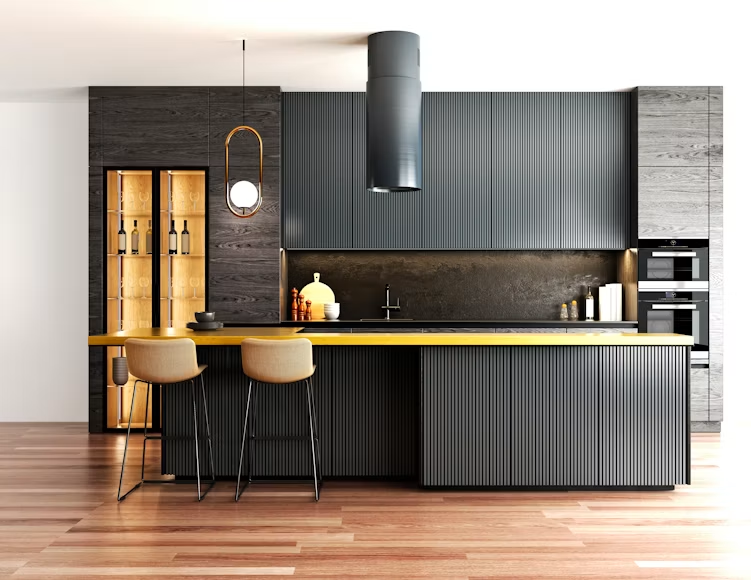
Kitchen
New cabinets, countertops, backsplash, appliances, lighting, flooring and plumbing fixtures.
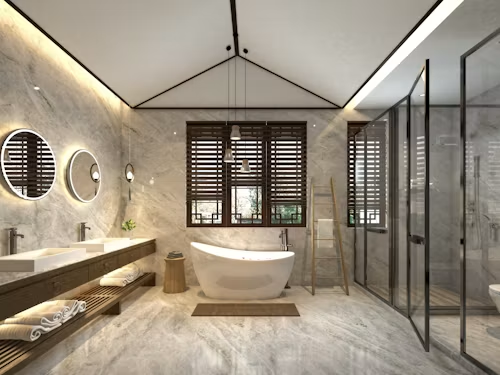
Bathrooms
New vanities, showers or tubs, toilets, tile, lighting, fixtures and plumbing work.
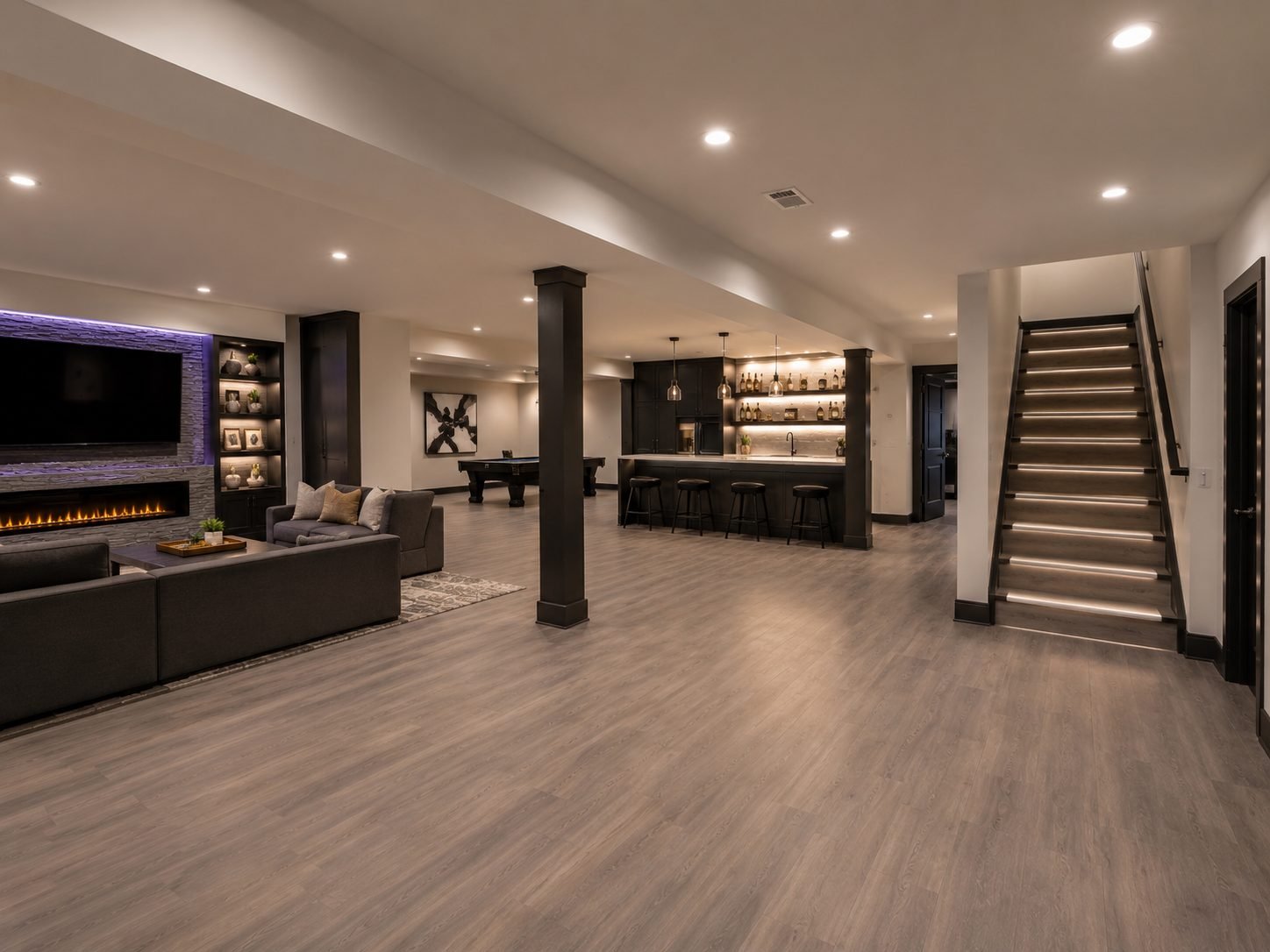
Bedrooms and living areas
Flooring, painting, doors, trim, lighting, built-ins and other interior finishes.

Electrical
New outlets, switches and lighting, along with electrical upgrades where the existing system cannot support the renovation.
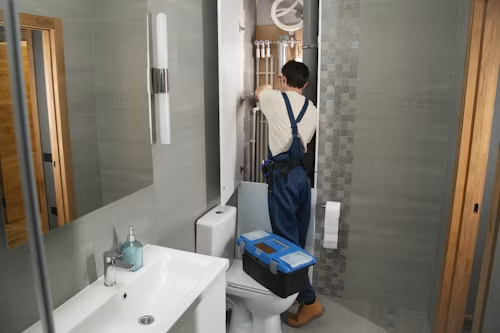
Plumbing
Replacement or relocation of plumbing lines and installation of new fixtures.
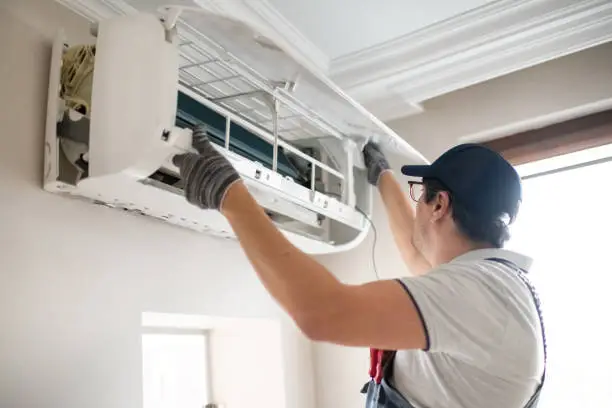
HVAC
Heating, cooling and ventilation upgrades when the existing system needs to be replaced or modified.
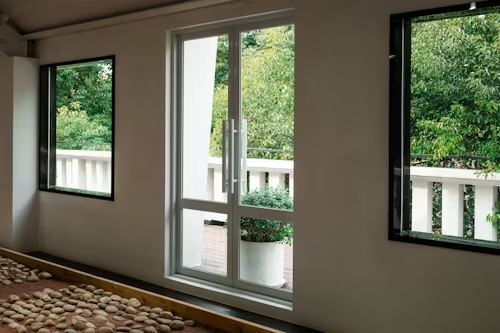
Windows and doors
Replacement of older or inefficient units when they are part of the renovation scope.

Interior finishes
Drywall, paint, flooring, trim, cabinetry, hardware and other finishing work that brings the renovated spaces together.
Not every full-house renovation requires all of these. For example, if your electrical and plumbing systems are in good condition, you may not need to replace them simply because you’re renovating the rest of the house.
How Much Should You Budget for a Small Toronto Renovation?
You don’t have to renovate your entire house to have a significant renovation budget.
A kitchen, bathroom or basement can become a major project on its own, especially when you start moving plumbing, changing layouts or choosing higher-end finishes. That’s why it’s useful to look at these projects separately instead of applying the full-house home renovation cost Toronto range to every room.
Here are some realistic starting points for common smaller renovations in Toronto.
Kitchen Renovation Cost in Toronto
The kitchen is often one of the most expensive rooms to renovate because it combines cabinetry, countertops, appliances, flooring, lighting, electrical and plumbing work in one space.
For a typical 200 sq. ft. kitchen, Onyx Construction currently gives a planning range of approximately $30,000–$150,000+, depending on the scope and finish level.
A simpler renovation might involve keeping the existing layout and updating cabinets, countertops, backsplash, lighting and finishes. A more extensive project could involve custom cabinetry, premium appliances, new flooring and moving plumbing or electrical connections.
Bathroom Renovation Cost in Toronto
Bathrooms can be relatively small, but they can still have a surprisingly large renovation budget because so much work is concentrated into a limited area.
For example, Onyx’s current Toronto pricing guide puts a 100 sq. ft. ensuite renovation at approximately $35,000–$46,000+.
A bathroom renovation can include a new vanity, toilet, shower or tub, tiles, waterproofing, lighting, fixtures and plumbing. If you’re keeping everything in its existing location, the project may be simpler. Moving a toilet, shower or drain can add considerably more labour and plumbing work.
Your tile and fixture choices also matter. A standard bathroom and a custom bathroom with premium stone, specialty fixtures or heated floors can have very different final prices.
Basement Renovation Cost in Toronto
A basement renovation can be one of the best ways to add usable living space, but the cost depends heavily on what you’re trying to create.
There is approximately $20,000–$70,000+ for an 800 sq. ft. basement renovation.
A basic finished basement may mainly require framing, insulation, drywall, flooring, lighting and painting. The budget can increase significantly if you’re adding a bathroom, kitchen or other plumbing, upgrading HVAC, creating a separate living suite, or dealing with moisture and waterproofing issues.
Before setting a basement budget, also consider its existing condition. Ceiling height, moisture, insulation, electrical capacity and access to plumbing can all affect the amount of work required.
Living Room and Bedroom Renovation Cost
Living rooms and bedrooms are generally less expensive to renovate than kitchens and bathrooms because they usually don’t require extensive plumbing.
A straightforward renovation might involve new flooring, painting, lighting, trim, doors and other finishes. You may also add built-in storage, custom millwork or other design features.
The cost can therefore vary widely depending on how much you change. Refreshing a bedroom is very different from removing walls, adding custom cabinetry and completely redesigning the space.
For these rooms, the scope and finish level usually matter more than the room’s size alone. A simple bedroom refresh can remain relatively manageable, while custom carpentry, premium flooring, built-ins and major layout changes can quickly increase the budget.
Factors That Affect the Cost of Renovating a House in Toronto
Your final cost of renovating a house in Toronto depends on more than the size of the property. These are the factors that can make the biggest difference:
Size of the home
A larger renovation generally requires more materials and labour, but the size of the house alone doesn't determine the price.
Age and condition
Older homes may need electrical, plumbing, structural or other repairs before the renovation can move forward.
Renovation scope
Updating one room is very different from renovating several rooms or the entire house. More work means a larger budget.
Material and finish quality
Standard finishes can keep costs controlled, while custom cabinetry, premium countertops, flooring, fixtures and appliances can increase the price significantly.
Structural changes
Removing walls, adding beams, changing room layouts or making other structural modifications can add design, engineering and construction costs.
Plumbing and electrical changes
Moving fixtures or upgrading outdated systems can add considerable labour and material costs.
Permits and professional fees
Depending on the project, you may need building permits, architectural drawings, engineering or other professional services.
Labour costs
Skilled trades make up a significant part of any renovation budget, particularly when several trades are required.
How to Reduce Your Home Renovation Cost in Toronto
Reducing your renovation budget doesn’t always mean choosing the cheapest materials or cutting out important work. In many cases, better planning is what saves the most money.
Here are some practical ways to keep your renovation cost under control:
Keep the existing layout where possible.
Moving kitchens, bathrooms, plumbing or electrical connections can add significant labour and construction costs. Keeping them in their current locations can help reduce the scope.
Decide your priorities early.
Identify the areas where you want to spend more and where standard finishes will work. You may want premium cabinets in the kitchen but don’t necessarily need expensive finishes everywhere else.
Avoid unnecessary structural changes.
Removing walls or changing the home’s layout can transform a space, but it also adds design, engineering, labour and construction costs.
Choose materials before construction starts.
Last-minute changes can lead to delays, replacement costs and additional labour. Having your major finishes selected early makes budgeting much easier.
Get detailed quotes.
Don’t compare contractors based only on the lowest total price. Check what each quote includes – demolition, materials, permits, labour, project management and finishing work can all affect the real cost.
Plan for unexpected costs.
Especially in older Toronto homes, issues may only become visible after walls or floors are opened. Keeping a 10–15% contingency in your renovation budget can give you room to handle unexpected work without disrupting the entire project.
Avoid changing your mind halfway through.
Design changes during construction can be expensive because they may require completed work to be removed or trades to return to the site.
The goal isn’t to make your renovation as cheap as possible. It’s to spend your money where it makes the biggest difference while avoiding costs that could have been prevented through better planning.
How to Estimate Your Toronto Home Renovation Budget
Once you know the type of renovation you want, you can create a rough budget before getting contractor quotes. You don’t need an exact number at this stage—you need a realistic starting range.
Start by defining your scope. Write down which rooms you want to renovate and whether you’re changing layouts, plumbing, electrical systems, flooring, windows or other major elements. The more clearly you define the work, the easier it is to estimate the cost.
Next, use the appropriate Toronto renovation cost per square foot range as a starting point for larger projects. For example, if your planned renovation covers 1,500 sq. ft. and your initial estimate is $200 per sq. ft., your starting construction budget would be around $300,000.
Then add the costs that may sit outside the basic construction estimate, such as design and engineering, permits, HST and other project-specific expenses.
Finally, keep a 10–15% contingency for unexpected work. This is particularly important when renovating older Toronto homes, where problems with plumbing, electrical systems, moisture or structure may not become visible until demolition begins.
Conclusion
Planning a renovation is much easier when you know what your budget needs to cover.
As we’ve seen, home renovation costs in Toronto can vary widely depending on the size of the project, the condition of your home, the materials you choose, and whether you’re making structural, plumbing or electrical changes. A small update may require a very different budget from a full-house or gut renovation.
The numbers in this guide should give you a realistic starting point, but your actual renovation cost will depend on the specific condition and scope of your home.
Before starting, define what you want to change, decide where you want to invest more, allow some room for unexpected costs, and compare detailed contractor quotes rather than looking at price alone.
A well-planned renovation isn’t about spending the most or the least. It’s about knowing where your money is going and making decisions that give you the home you actually want.
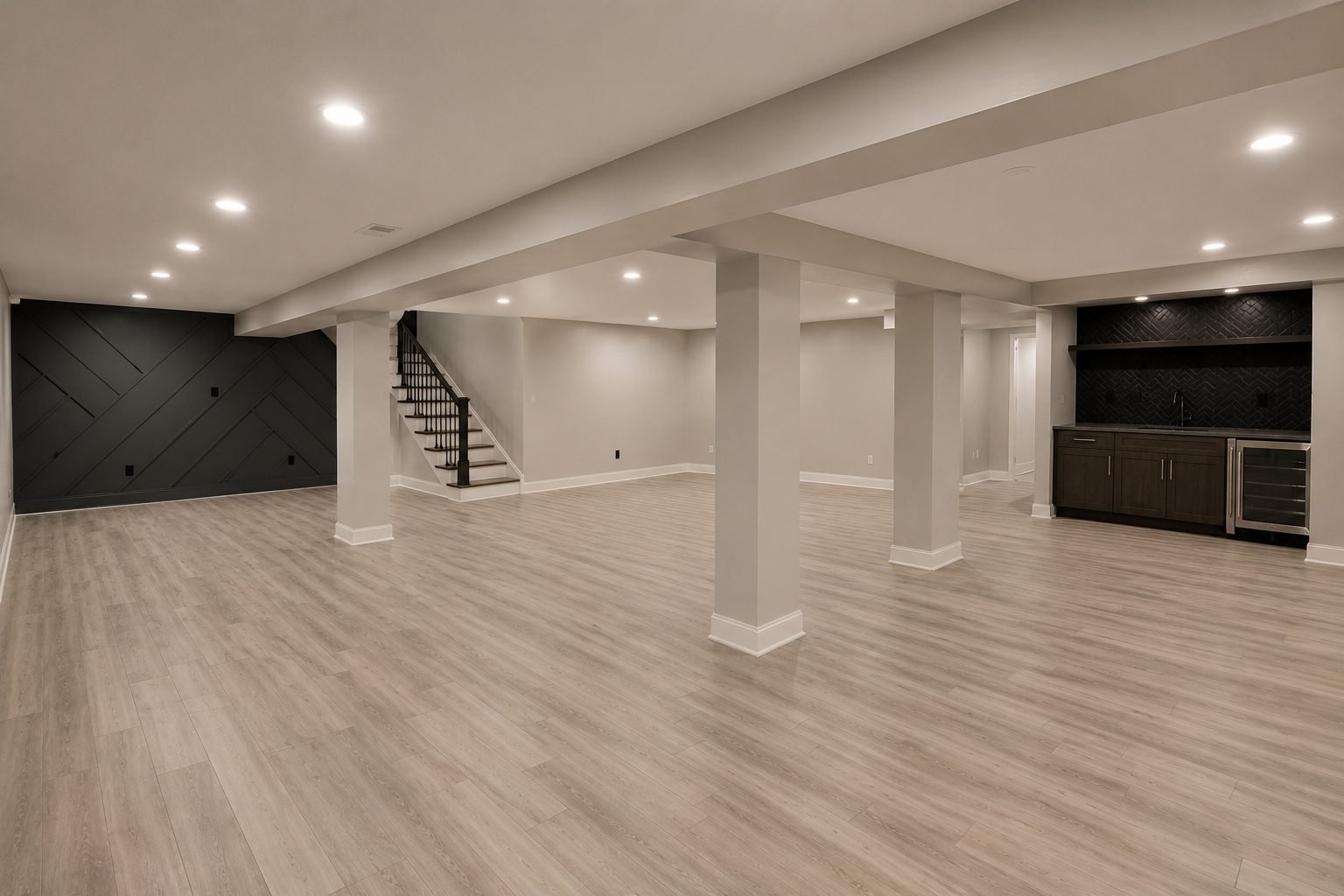
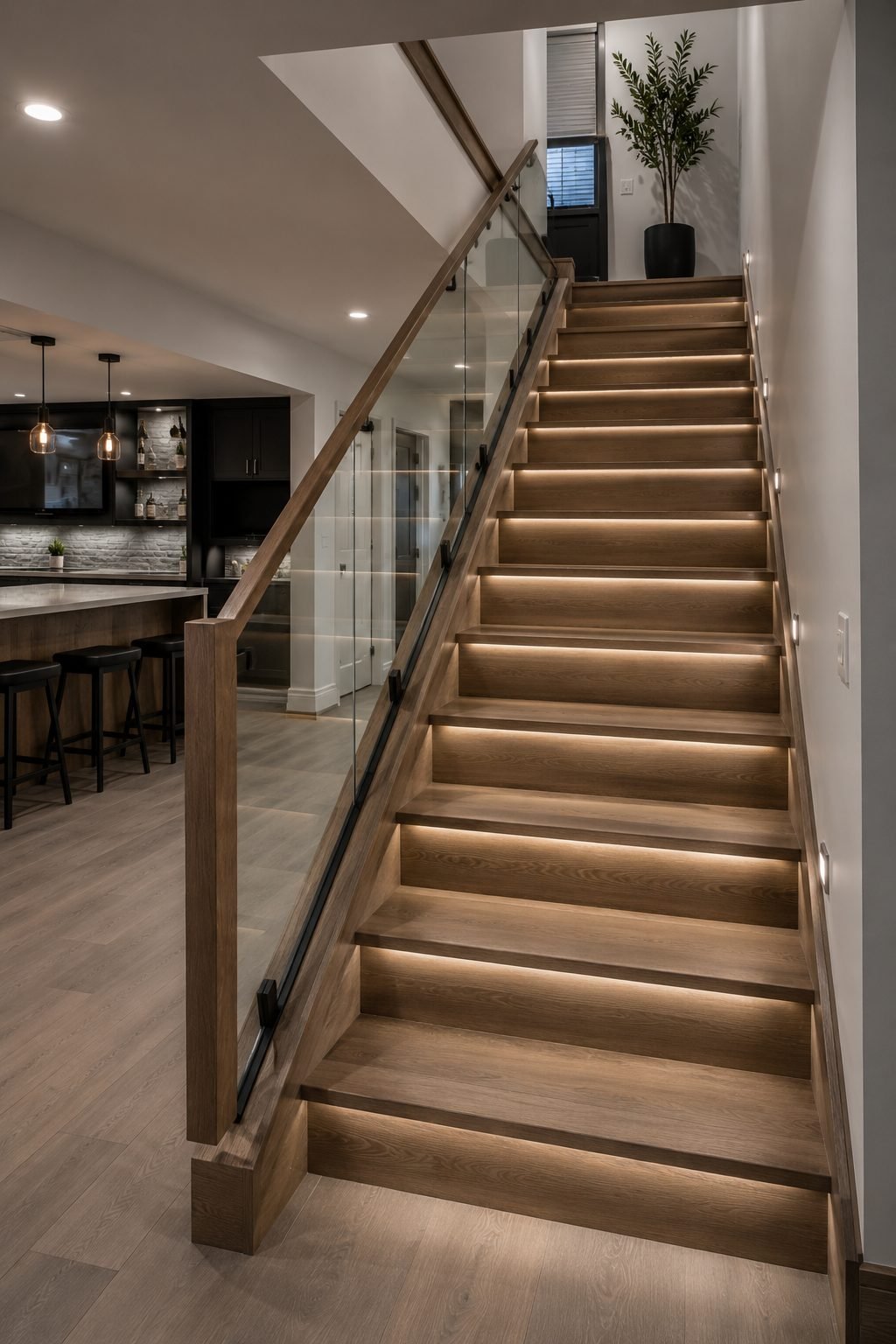
Completed Renovations
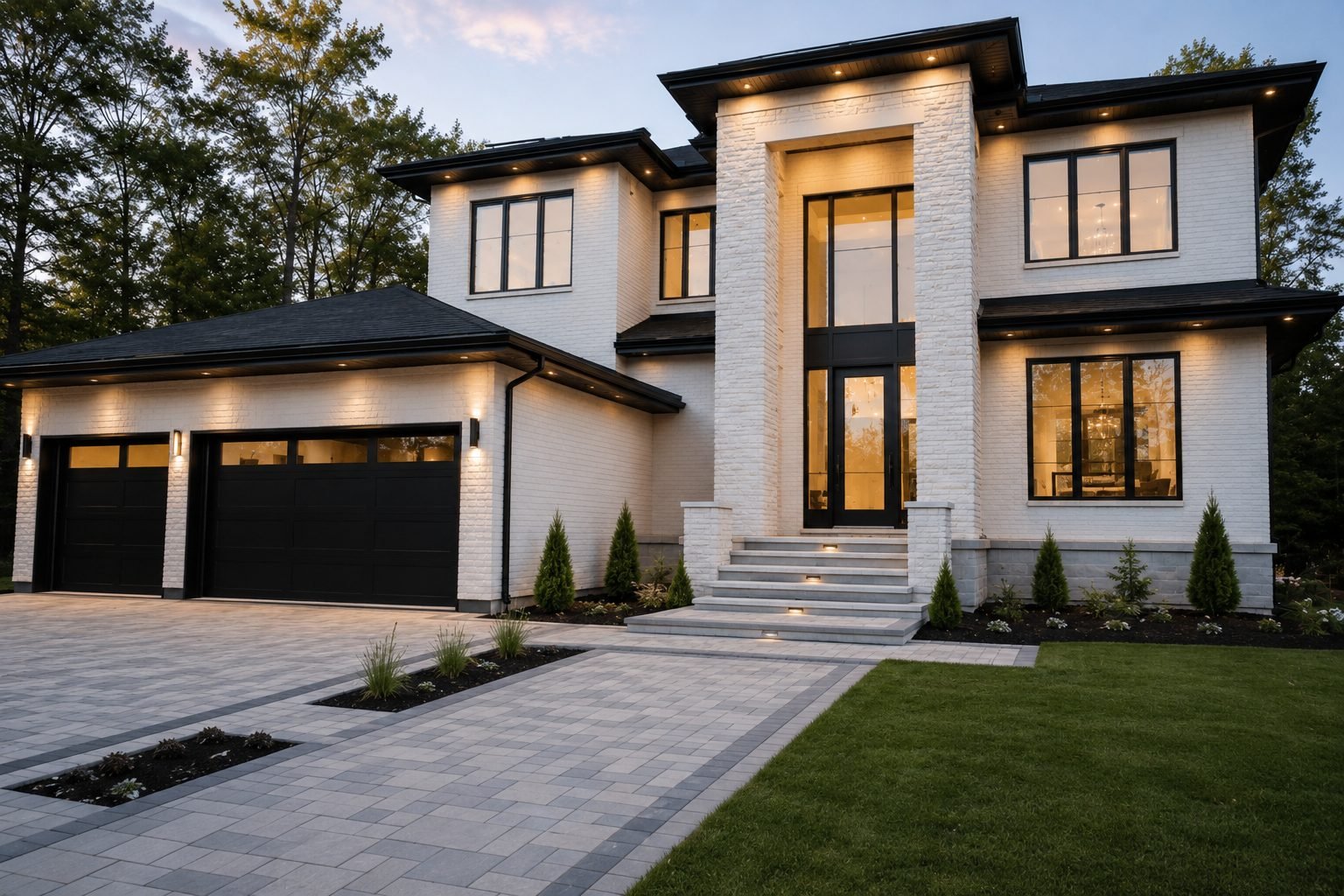
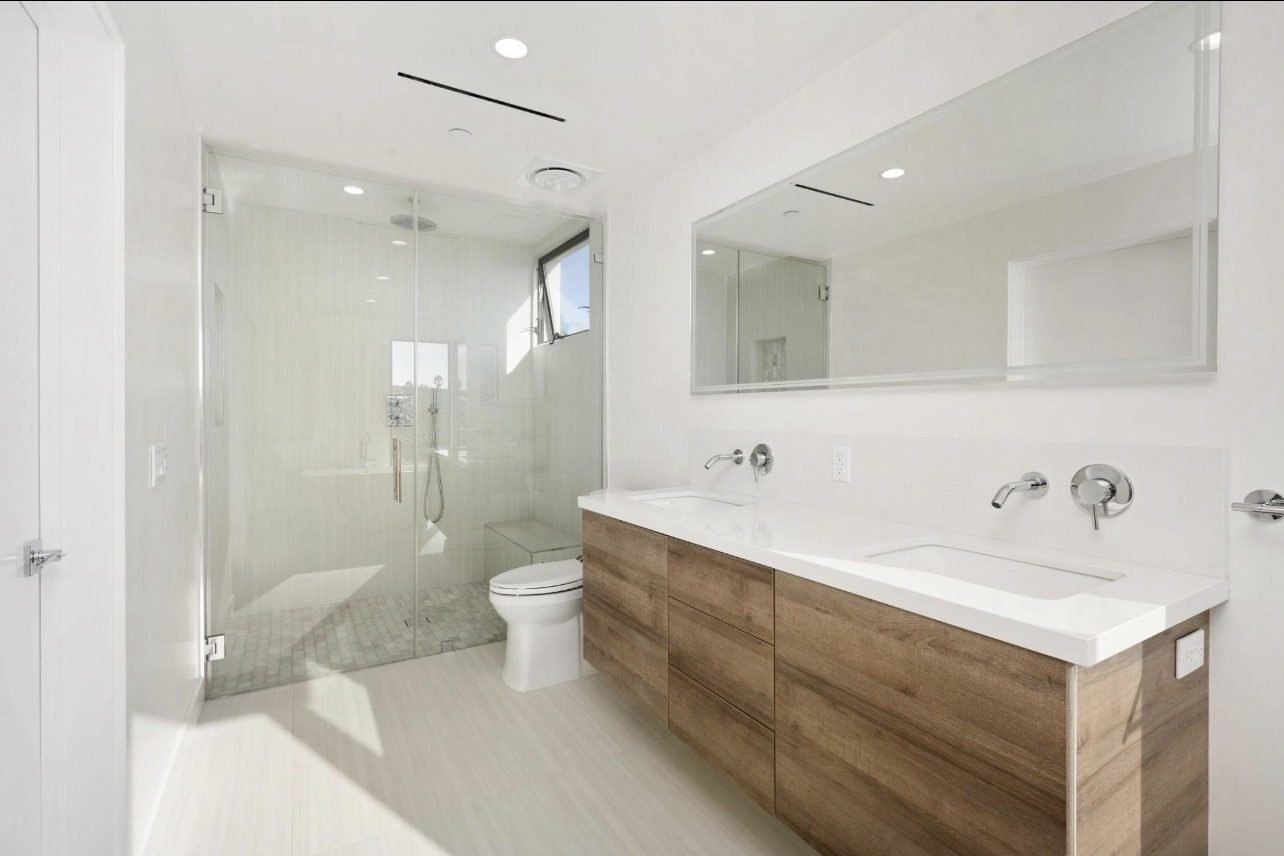
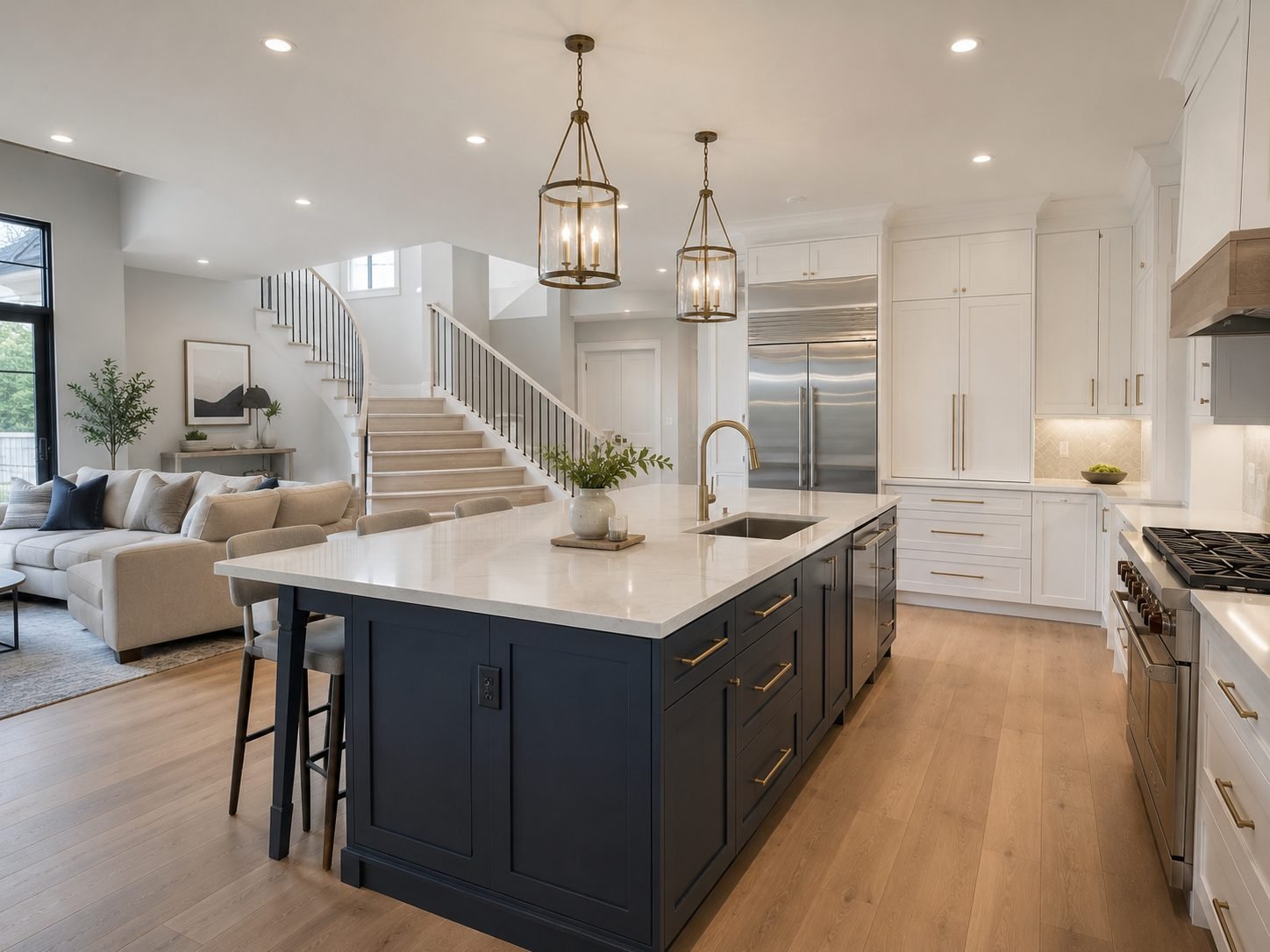
Real project photos from completed work.
Frequently Asked Questions
How many contractor quotes should I get?
Getting 2–3 detailed quotes is a good starting point. Compare the scope of work, materials, timeline and what’s included—not just the final price.
What should a renovation contract include?
It should clearly outline the scope of work, price, payment schedule, timeline, materials, exclusions, change-order process and warranty.
What happens if unexpected problems are found during renovation?
Your contractor should explain the problem and any additional cost before proceeding with significant extra work. A 10–15% contingency can help cover unexpected issues.
Can I change my renovation plans after work starts?
You can, but changes can increase both cost and timeline. Finalizing major design decisions and materials before construction begins can help avoid unnecessary expenses.
What should I check before hiring a renovation contractor?
Look at their experience, references, insurance, contract, previous projects and how they handle changes or unexpected issues. A detailed quote is also important.
Do heritage homes in Toronto have additional renovation requirements?
They can. Heritage-designated properties and homes within Heritage Conservation Districts may require additional approvals before certain changes are made. Check the property’s status before starting work.