
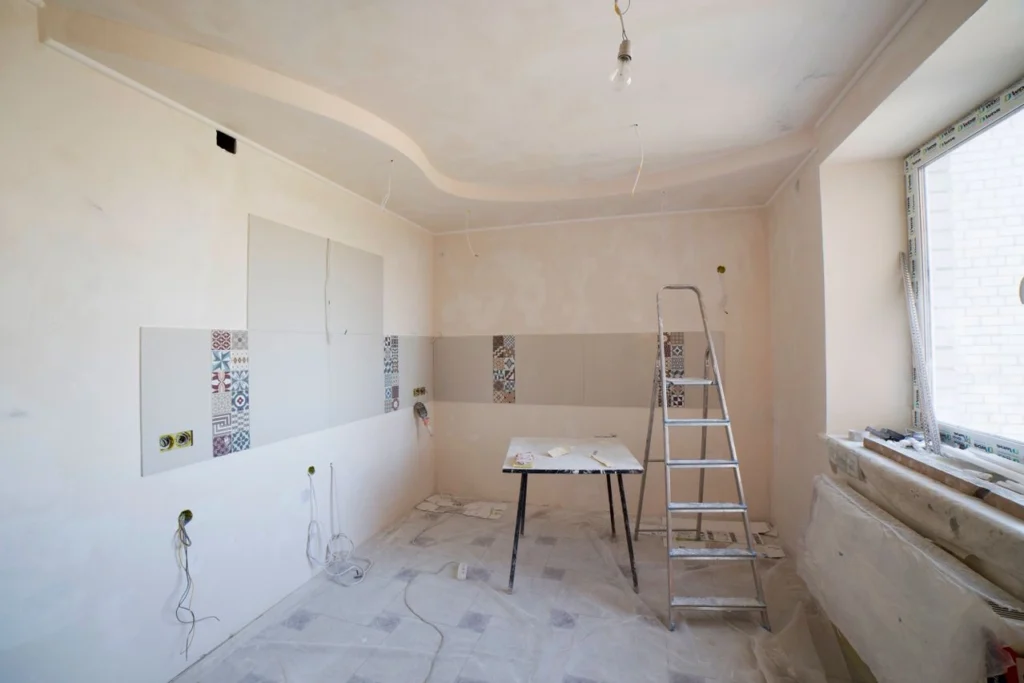
Renovating your home is exciting but the projects that go smoothly aren’t the ones that just “get started.” They’re the ones that get planned properly first. Before a single wall comes down, a well-organized homeowner has already worked through budgets, permits, timelines, and design decisions. Skipping this stage is the single biggest reason renovations run over budget or drag on for months longer than expected.
Whether you’re planning a kitchen remodel, a full home renovation, or a major addition, this checklist walks you through everything you should have in place before construction day arrives.
1. Define Your Renovation Goals
Before anything else, get clear on why you’re renovating and what success looks like.
- Are you renovating to sell, to increase functionality, or to modernize an outdated space?
- Which rooms or systems are priorities (kitchen, bathrooms, basement, roof, HVAC)?
- Is this a cosmetic refresh or a structural renovation?
Write your goals down. They’ll guide every decision that follows — from budget allocation to material selection.
2. Set a Realistic Budget (With a Contingency Fund)
A renovation budget should cover more than just materials and labor. Build in:
- Design and permit fees
- Materials and finishes
- Labor costs
- A contingency fund of 10–20% for unexpected issues (outdated wiring, water damage, structural surprises are common once walls open up)
Get multiple quotes from licensed contractors so you’re comparing realistic numbers, not guesswork. A reputable home renovation contractor GTA homeowners trust will walk you through a transparent, itemized estimate rather than a vague lump sum.
3. Research and Hire the Right Contractor
Your contractor will make or break the renovation experience. Before hiring:
- Check licensing, insurance, and WSIB coverage
- Ask for references and photos of completed projects
- Review past client testimonials
- Confirm they handle permits and inspections on your behalf
- Get a written contract with scope, timeline, and payment schedule
Working with an experienced, established team like Onyx Construction and Renovation ensures your project is backed by proper documentation, skilled trades, and a single point of accountability from demolition to final walkthrough.
4. Finalize Design Plans and Material Selections
Decisions made before construction save time and money once work begins. Nail down:
- Floor plans and layout changes
- Cabinetry, countertops, flooring, and fixtures
- Paint colors and finishes
- Lighting plan and electrical placement
- Plumbing fixture locations
Changing your mind mid-construction (“change orders”) is one of the most common causes of delays and cost overruns.
5. Secure Permits and Approvals
Depending on the scope of your renovation, you may need:
- Building permits
- Electrical and plumbing permits
- HVAC permits
- Municipal zoning approvals
- Condo board or HOA approval (if applicable)
Your contractor should confirm exactly what’s required for your municipality and handle the applications. Never start structural, electrical, or plumbing work without proper permits — it can cause major issues at resale and with insurance.
6. Plan for Living Arrangements During Construction
Ask yourself:
- Can you live in the home during renovation, or do you need temporary accommodations?
- Which rooms will be unusable, and for how long?
- Do you need to set up a temporary kitchen or bathroom?
Planning this in advance reduces stress and helps you set realistic expectations with your family.
7. Create a Realistic Timeline
Work with your contractor to map out:
- Demolition
- Rough-in work (electrical, plumbing, HVAC)
- Inspections
- Drywall and finishing
- Flooring and cabinetry installation
- Final touches and walkthrough
Ask about potential delays — material lead times, inspection scheduling, and seasonal factors can all affect your timeline.
8. Prepare Your Home and Neighbours
Before crews arrive:
- Clear out furniture and valuables from work zones
- Protect flooring and adjacent rooms from dust
- Set up a secure storage area for tools and materials
- Notify neighbours if noise, parking, or shared spaces will be affected
9. Establish a Communication Plan
Decide upfront how you’ll communicate with your contractor throughout the project:
- Weekly check-ins or site visits
- A single point of contact for questions
- How change requests will be handled and documented
Clear communication prevents small issues from becoming costly misunderstandings.
10. Review the Contract and Payment Schedule One Final Time
Before construction starts, confirm:
- Total project cost and what’s included
- Payment milestones tied to project phases (not just dates)
- Warranty details on workmanship and materials
- Process for handling change orders
Final Thoughts
A successful renovation is 80% planning and 20% execution. The homeowners who avoid budget blowouts and endless delays are the ones who take the time to define their goals, lock in designs, secure permits, and hire a trustworthy team before demolition begins.
If you’re planning a renovation in the Greater Toronto Area, partnering with an experienced home renovation contractor GTA homeowners recommend — like Onyx Construction and Renovation — gives you the guidance, transparency, and craftsmanship needed to turn your vision into reality without the common headaches of a poorly planned project.
Ready to start planning your renovation? Reach out to discuss your project goals, budget, and timeline with a team that handles everything from design to final walkthrough.
Pingback: Home Renovation in Toronto: 10 Mistakes to Avoid & Fix